INTERMEDIATE ENGLISH GRAMMAR
LEARNING OBJECTIVES (LO):
After attending all required meetings, participating actively in the discussion, and doing all tasks assigned in this course, the students are expected to be able to master intermediate English Grammar needed for both presenting high-school (SMU) structure materials and coping with their studies.
ORGANIZATION & TOPICS:
This book consists of five units, each of which focuses on a particular point of English Grammar. Every unit systematically consists of a PRE-TEST (used as a warming-up activity before the presentation of the main materials), GRAMMAR EXPLANATION & EXERCISES, SELF-ASSESSMENT, REFLECTION ON LEARNING, and a POST-TEST (to measure students’ mastery). The explanation and some exercises in this course material are taken and adapted from various English grammar sources; thus, any confusion caused by the explanations can be addressed by consulting the original sources as mentioned in the references in every unit. The topics include: Modifiers (A – F), Passive Voice (A – G), Degrees of Comparisons (A-G), Conditional Sentences (A – G) and Adverbial Clauses in Complex Sentences (A – D)

INTERMEDIATE ENGLISH GRAMMAR 2021
LEARNING OBJECTIVES (LO):
After attending all required meetings, participating actively in the discussion, and doing all tasks assigned in this course, the students are expected to be able to master intermediate English Grammar needed for both presenting high-school (SMU) structure materials and coping with their studies.
ORGANIZATION & TOPICS:
This book consists of five units, each of which focuses on a particular point of English Grammar. Every unit systematically consists of a PRE-TEST (used as a warming-up activity before the presentation of the main materials), GRAMMAR EXPLANATION & EXERCISES, SELF-ASSESSMENT, REFLECTION ON LEARNING, and a POST-TEST (to measure students’ mastery). The explanation and some exercises in this course material are taken and adapted from various English grammar sources; thus, any confusion caused by the explanations can be addressed by consulting the original sources as mentioned in the references in every unit. The topics include: Modifiers (A – F), Passive Voice (A – G), Degrees of Comparisons (A-G), Conditional Sentences (A – G) and Adverbial Clauses in Complex Sentences (A – D)
Introduction to Linguistics
This course is designed to provide the students
with the ability to describe the notion of language, its
elements, and contrubutions to language learning. The topics include
linguistics as a scientific study of language, characteristics of language, the
history of writing, phonetics and phonology, words and words formations, phrases
and sentences, syntactic strsucture, semantics, pragmatics, and language
acquisations.
INTRODUCTION TO LITERATURE
This course focuses on some theories and or concepts on literature, kinds of literature, definition of fiction, poetry, drama and some literary criticisms. This course also provides examples of those fictions, poetry or poems, and dramas. This course is important to lead students how to understand literaturebas a way to master English.
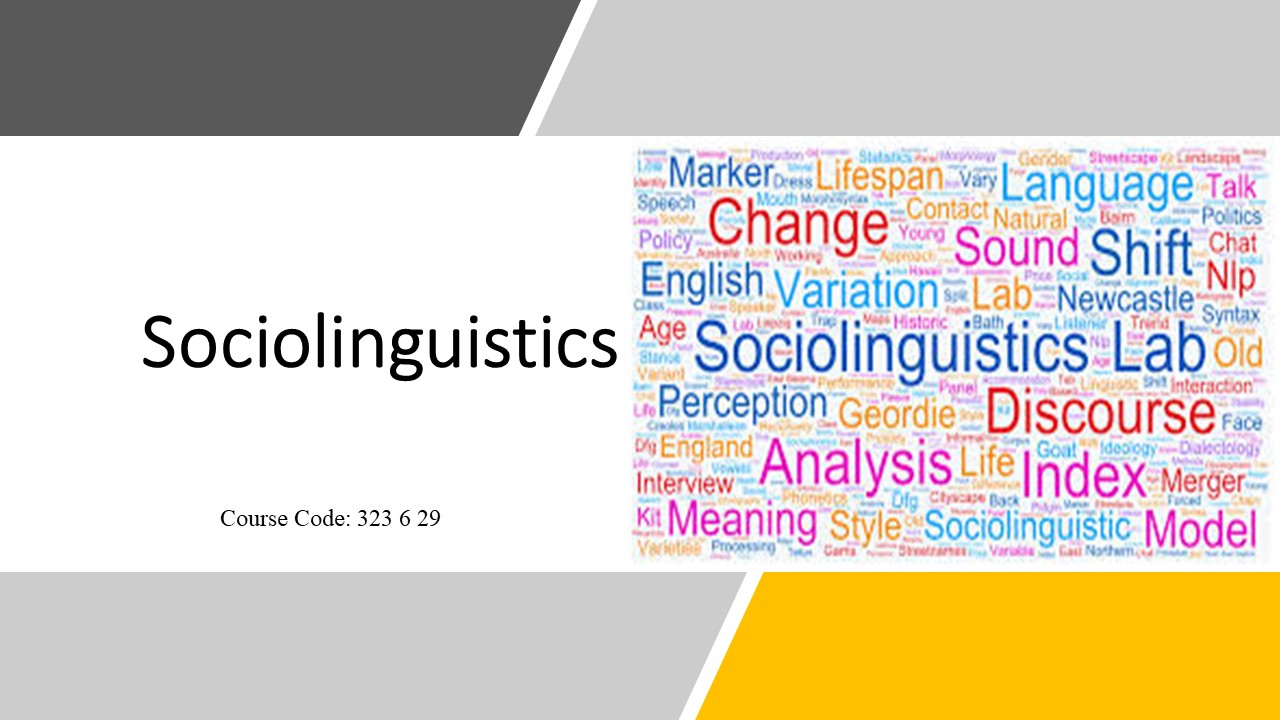
Introduction to Sociolinguistics
This course is designed to introduce students how language is used in society, describing why we speak differently in different social context, identifying the social functions of language and the ways it is used to convey social meaning. Topics to be covered include definition of sociolinguistics, language choice in multilingual communities, linguistics varieties and multilingual nations, national language and language planning, language maintenance and shift, regional and social dialect, language, gender, and age, ethnicity and social networks, language change, style context and register, speech functions, politeness and cross-cultural communication, and language, culture and cognition.
This is a 2 credit semester class which meets only once a week. In order to be administered in this course students are required to have passed Introduction to Linguistics offered in the previous semester.
KAGIATAN PRODI BHS INGGRIS
This Platform is used for any activities relating to English Study Program of FKIP UNRAM
KSA EXTENSIVE LISTENING
This Extensive Listening course is designed to expand students’ interests in Listening using authentic and standardized materials frequently used in standardized tests. It is also designed to measure students’ ability to understand short conversations and lectures (long talks) in English that include listening for basic comprehension and pragmatic understanding (speaker’s attitude and degree of certainty) and connecting and synthesizing information. The listening materials are taken from standard paper- and computer-based test books with audio materials. The lectures and conversations use academic-based language that customize the students’ level of ability. 50% of the lectures (including tests) are conducted online via Spada Unram e-learning system, while 50% via class-based WhatsApp group starting from the 29 June 2020 to 14 August 2020. By the end of this course, students are expected to be able to get familiarized and to perfect their ability to understand basic listening comprehension and pragmatic understanding as well as connecting and synthesizing information.

LANGUAGE TESTING
This course is called Language testing. it has 4 credits and is commonly offered at even semester. however, this odd semster language testing subject is available since it is a special offer to specific students who do not yet pass at the previous semester. this subject consists of some topics and competencies. The first, concepts relating to testing language, the purposes of testing, test evaluation, types of test. Moreover, it includes also testing language skills-listening, speaking, reading and writing.
Literal Reading (Comprehension)
Literal Reading (comprehension) course provides the students with the knowledge and skills in understanding the information and facts directly stated in the functional text. It is recognized as the first and most basic level of comprehension in reading. Students can employ literal comprehension skills (keywords, skim reading, and scanning) to better locate information efficiently.



MENTORING MOODLE JPBS 2020
Akun ini dibuat untuk memfasilitasi Bapak Ibu Dosen JPBS dalam mengembangkan mata kuliah pada SPADA UNRAM berbasis LMS Moodle. Silakan dimanfaatkan sebagai Forum Diskusi anta pengembang.
Terima kasih.